Quick Verdict
Change 25% of the water once a week. Siphon the old water out through the gravel, refill with tap water that is dechlorinated and within 2°F of the tank, and leave the fish where they are. Test nitrate before each change to check the schedule is enough.
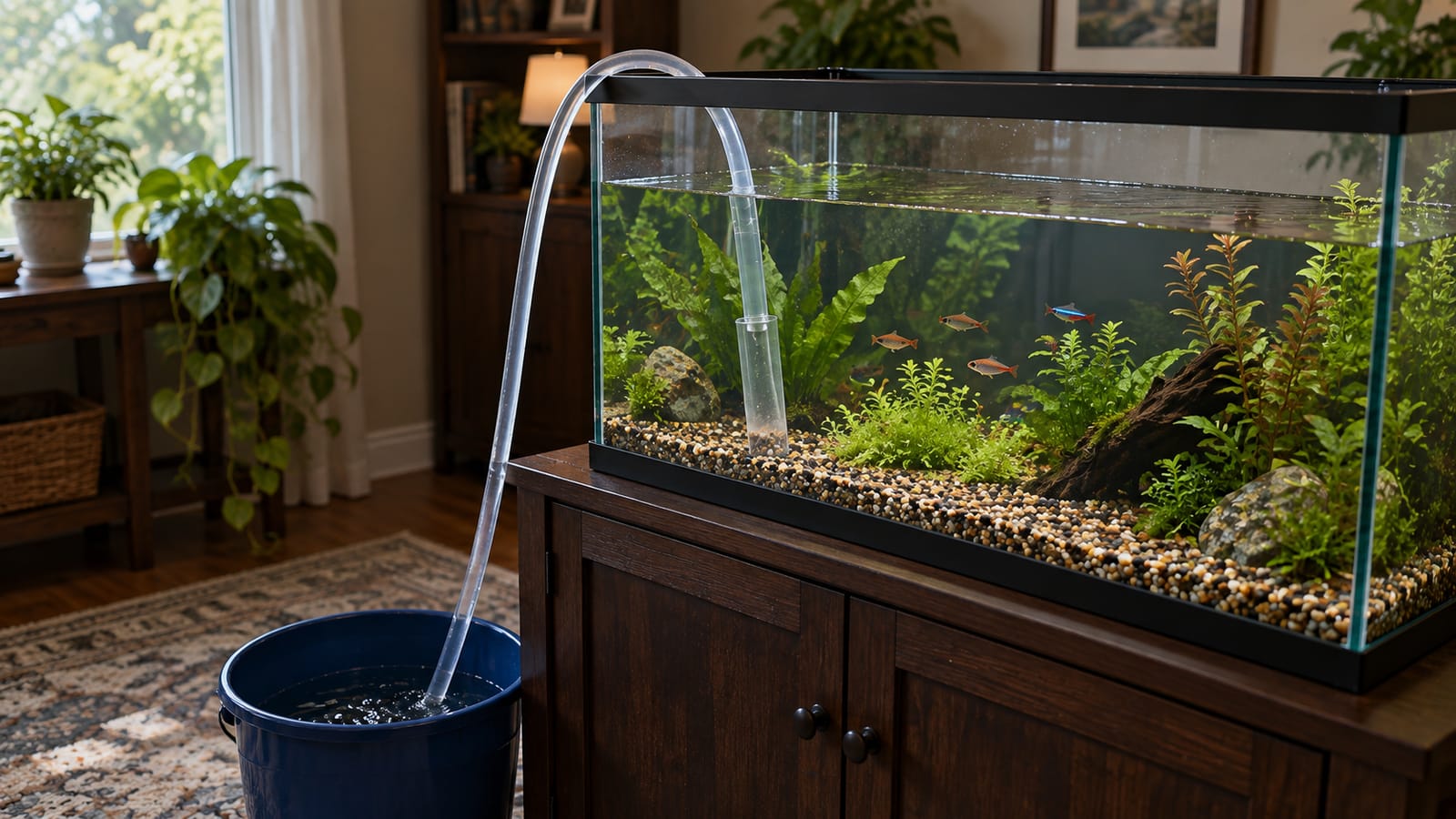
Change 25% of the water once a week. Siphon the old water out through the gravel, then refill with tap water that has been dechlorinated and brought to within 2°F of the tank. The fish stay in. A 20 gallon tank takes about twenty minutes.
Two details cause nearly all the harm when they are skipped: matching the temperature, and adding the conditioner before the new water reaches the fish.
How often to change the water
Weekly is the starting point. The table above adjusts it for the tank you have. The reason is one number. Your filter converts fish waste into nitrate and then stops, because the nitrogen cycle has no further step inside a fish tank. Nitrate builds up until someone takes it out with a bucket.
The arithmetic is simple. Changing a share of the water removes the same share of the nitrate. A 25% change takes 40 ppm down to 30. A 50% change takes it to 20.
That gives you a way to check your own schedule, and it is better than any rule, this one included.
Let the test kit set the schedule
Test nitrate just before a water change, when it is at its highest. Under 20 ppm, the routine is working. Between 20 and 40 ppm, change more each time. Over 40 ppm week after week, the tank holds more fish than the schedule can carry — how many fish fit in a 10 gallon tank sets out that arithmetic.
What you need
A gravel vacuum, which is a wide plastic tube on a length of hose. A bucket that has never held soap or cleaning products, kept only for the tank. A bottle of water conditioner. A thermometer.
How to change fish tank water, step by step
- Unplug the heater and the filter. A heater left running above the waterline can overheat and crack, and a filter run dry can burn out its motor.
- Wipe the inside of the glass first, so the loosened algae leaves with the old water.
- Start the siphon and push the tube straight down into the gravel. Debris rises up the tube and the gravel falls back. Lift, move a few centimetres along, and repeat. Cover about a third of the floor each week.
- Stop when about a quarter of the water is in the bucket. On a bare tank, a strip of tape on the glass at the 75% mark saves guessing.
- Once a month, squeeze the filter sponge out in that bucket of old tank water. Never rinse it under the tap.
- Fill the bucket from the tap, adjusting hot and cold until the thermometer reads within 2°F (1°C) of the tank.
- Add the conditioner to the bucket, at the dose on the label for the volume of the bucket, and stir.
- Pour slowly, onto your hand or a saucer resting on the gravel, so the stream does not dig up the substrate or flatten the plants.
- Plug the filter and the heater back in, and check that the filter is actually moving water.
If you refill with a hose straight from the tap, the order changes. Add the conditioner to the tank before the new water goes in, and dose for the whole volume of the tank, not just the part you are replacing.
The mistakes that hurt fish
Cold new water. Fish do not regulate their own temperature, and a bucket of water from the cold tap can drop a small tank by several degrees in a minute. Use a thermometer, not your hand. The ranges to match are in what temperature a fish tank should be.
Forgetting the conditioner. Chlorine and chloramine are in tap water to kill bacteria, and they do the same to the bacteria in your filter, as well as burning the gills of the fish. If you realise after pouring that you forgot, add a full-tank dose straight to the tank at once. It works within seconds.
Washing the filter under the tap. The brown sludge on the sponge is the colony of bacteria that keeps the tank safe, and chlorinated water kills it. Squeeze the sponge in old tank water until water passes through it freely, and stop there. It is meant to stay brown. The same reasoning applies to everything else in the tank, as how to clean aquarium decorations explains.
Cleaning everything on the same day. Vacuuming all the gravel, scrubbing every ornament and rinsing the filter in one session removes a large share of the bacteria at once, and ammonia can rise a few days later. Spread the jobs out: a third of the gravel each week, the filter once a month.
One huge change after months of none. This one runs against intuition, and it is the usual story behind fish dying after a water change.
If the tank has been neglected, go slowly
In a tank left for months, nitrate climbs and the pH and hardness drift a long way from the tap water. The fish have adapted to that gradually. One big change moves everything back in an hour, which is a bigger shock than the dirty water was. Change 10–15% a day for a week, then return to a normal weekly change.
Big water changes do not kill fish. Big differences between the old water and the new water do.
That is why a 50% change is safe in a tank that gets one regularly, and dangerous in a tank that has not had one since spring. In a well-kept tank the old and new water are nearly the same. After a long gap they are not.
When to change water outside the schedule
Do an extra change, the same day, when:
- a test shows any ammonia or nitrite above zero. Change 50%, and test again tomorrow.
- a fish has died and was not found for a while.
- something got into the tank that should not have: soap, aerosol spray, a whole tub of food.
- the water has a sharp or rotten smell. A healthy tank smells faintly of damp soil, and why a fish tank smells traces each smell to its cause.
In each case the temperature match and the conditioner still apply. An emergency is where they get forgotten.
The one thing worth taking from this
A water change is the only way nitrate leaves the tank, so the habit matters more than the exact percentage. A quarter of the water, once a week, matched for temperature and dechlorinated, keeps a tank stable for years. The test kit tells you whether your tank needs more than that.
Detailed Comparison
| Your tank | How much | How often |
|---|---|---|
| Typical community tank, sensibly stocked | 25% | Every week |
| Heavily planted, only a few fish | 15–25% | Every one to two weeks |
| Heavily stocked, or goldfish | 30–50% | Every week |
| Under 10 gallons | 25–30% | Every week, without skipping |
| Any ammonia or nitrite reading above zero | 50% | Today, then test again tomorrow |
| Neglected for months | 10–15% | Daily for a week, then the normal schedule |
Frequently Asked Questions
🔗 Related Resources
More Reviews:
Related Articles
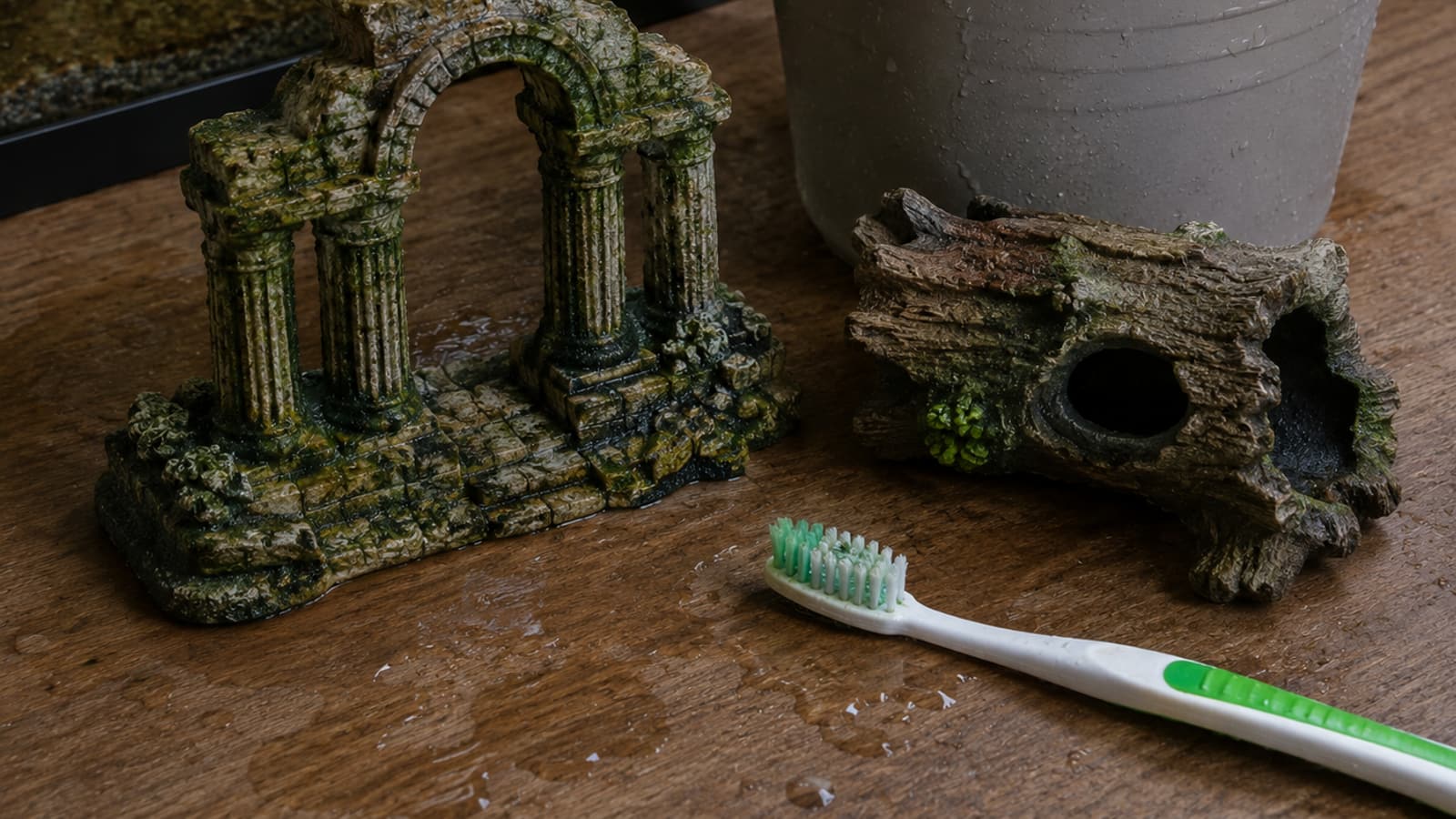
How to Clean Aquarium Decorations Without Killing Fish
How to clean aquarium decorations: hot water and a toothbrush for most of it, a 1:9 bleach soak for stubborn algae, then rinse and dechlorinate. Never soap.
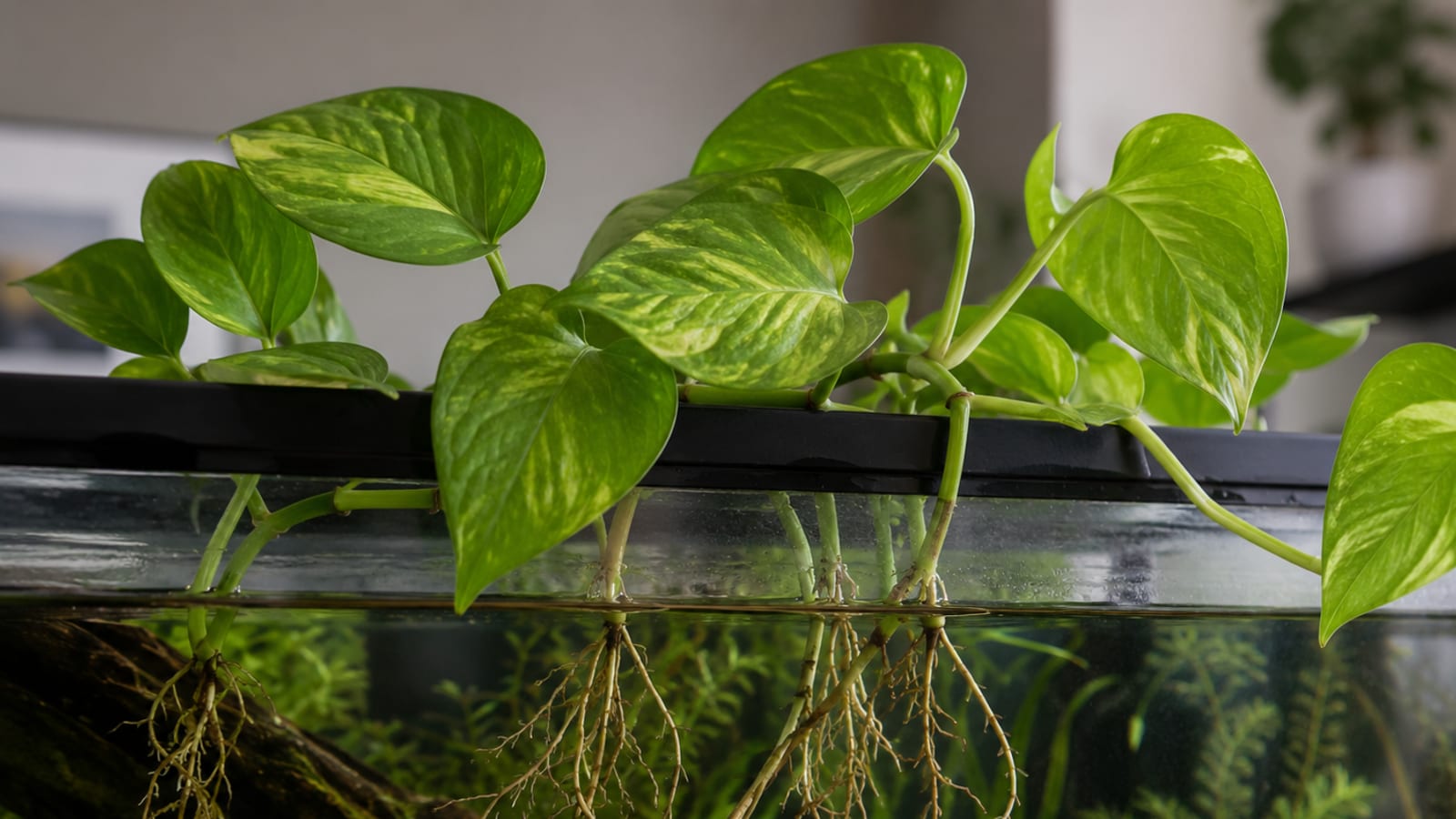
Pothos in an Aquarium: Safe for Fish, Risky for Shrimp
Pothos in an aquarium is safe for fish and a strong nitrate exporter — roots in the water, leaves in the air. The real risk is the pesticide on the plant.