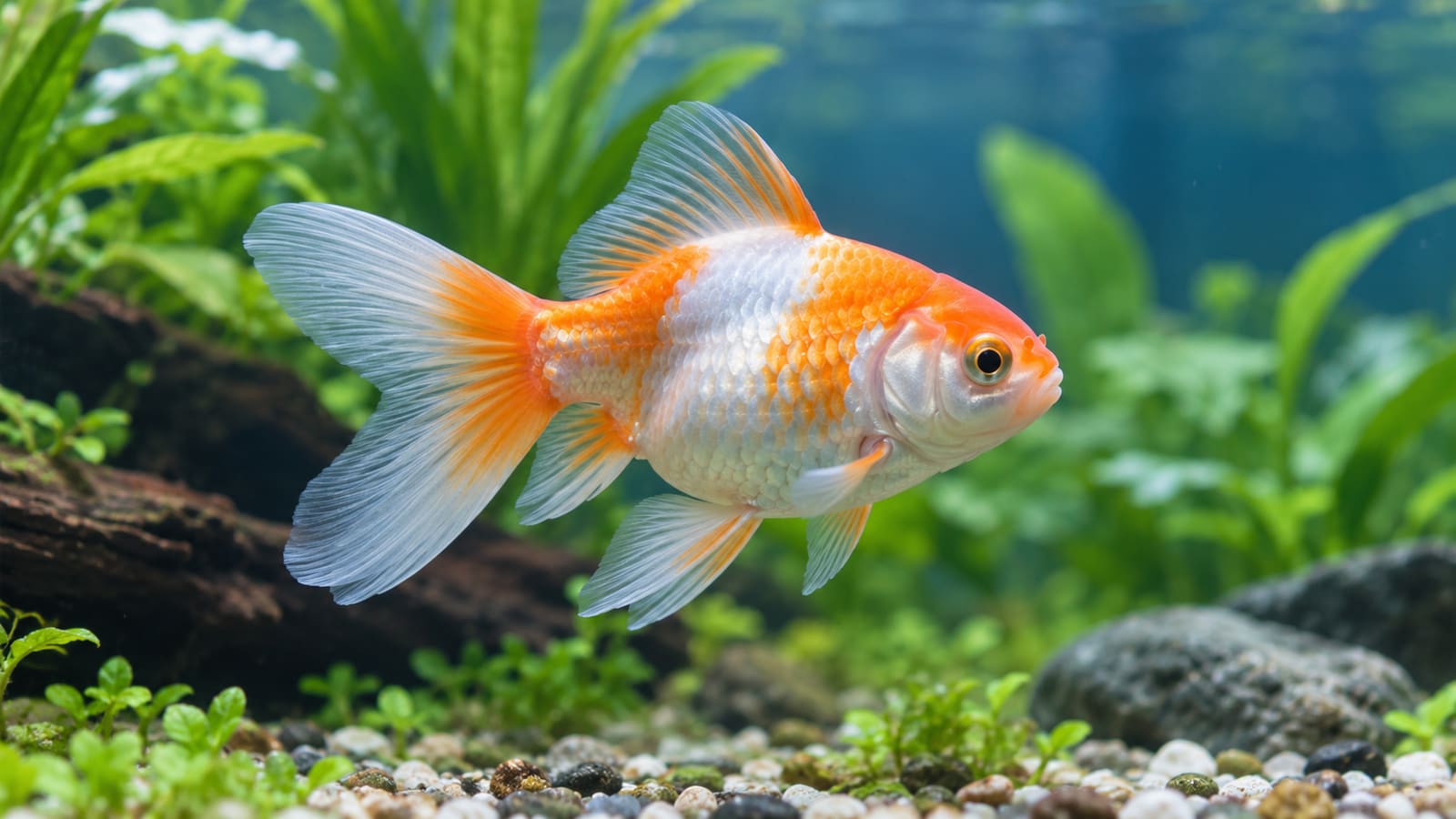
It is harmless. White in specific places is different: white spots like salt grains are ich, cotton-like tufts are a fungal or bacterial infection, and a sudden pale colour with other signs of stress points to the water. Test it.
Some links go to retailers. As an Amazon Associate, Aquarium for Beginners earns from qualifying purchases, at no extra cost to you.
The numbers
| What you see | How fast | What to do | |
|---|---|---|---|
| Natural fading | Orange fades evenly to white, fish acts normally | Weeks to months | Nothing |
| Too little light | Colours wash out, mostly on the back | Weeks | Give 8–10 hours of light a day |
| Stress or poor water | Sudden overall paleness, with clamped fins or gasping | Hours to days | Test ammonia and nitrite, water change if above 0 |
| Ich | Small white grains like salt on body and fins | Days, spreading | Treat for ich |
| Fungus or bacterial infection | Cotton-like white tufts or a white film on one area | Days | Isolate, fix the water, identify before treating |
A goldfish that fades from orange to white over weeks or months, while eating and swimming normally, is usually just changing colour. Goldfish colour is controlled by genetics and keeps changing through life. Many orange goldfish fade to white or pale gold as they age, and the fade is harmless.
The thing to check is whether the white is even, or in specific places. White spots, white fuzz or a sudden pale colour with other symptoms are not a colour change, and they need attention.
Even fading: genetics and age
Goldfish are bred for colour, and their colour is less stable than in most fish. A goldfish can be bronze as a baby, orange as a young fish and white as an adult. Fish from mixed breeding, including most cheap goldfish, are the most likely to change.
If the whole fish fades evenly over weeks or months, and it eats, swims and behaves normally, there is nothing wrong and nothing to treat. Black markings appear and disappear the same way, as covered in goldfish turning black.
Too little light
Goldfish need light to keep their colour. A goldfish kept in a dim room, or in a tank whose light is rarely on, often fades, especially along the back.
Give the tank 8–10 hours of light a day on a timer. Colour lost to low light often comes back over a few weeks. Pond goldfish, in full daylight, are usually the most strongly coloured goldfish of all.
Stress and poor water
A goldfish that turns pale over hours or days, rather than weeks, is usually stressed, and the most common cause is the water. Look for other signs: clamped fins, gasping at the surface, sitting on the bottom, refusing food.
Test ammonia and nitrite. If either reads above zero, change 30–50% of the water today with dechlorinated water at the same temperature, and repeat daily until both read zero. Goldfish produce a lot of waste, and a tank that is too small for them, as covered in how big goldfish get, runs into this again and again.
White spots, fuzz or patches
White in specific places is a disease, not a colour change.
- Small white grains like salt, on the body and fins: ich, a common parasite. It spreads, so treat it.
- Cotton-like tufts or a white film on one area: usually a fungal or bacterial infection, often after an injury or in poor water.
- White, frayed fin edges: fin rot, which follows poor water.
Fix the water first, then identify the disease before adding medicine. Move the fish to a separate tank if you can.
What you need
| Item | Why |
|---|---|
| Liquid test kit | A sudden pale colour is a reason to test ammonia and nitrite |
| Outlet timer | Keeps the light on 8–10 hours a day, every day |
The one thing worth taking from this
An even fade on a healthy goldfish is just its genes at work. A sudden paleness, or white in spots and patches, is the fish telling you something. Test the water and look closely.
Questions people ask
Mentioned in this guide
Related guides
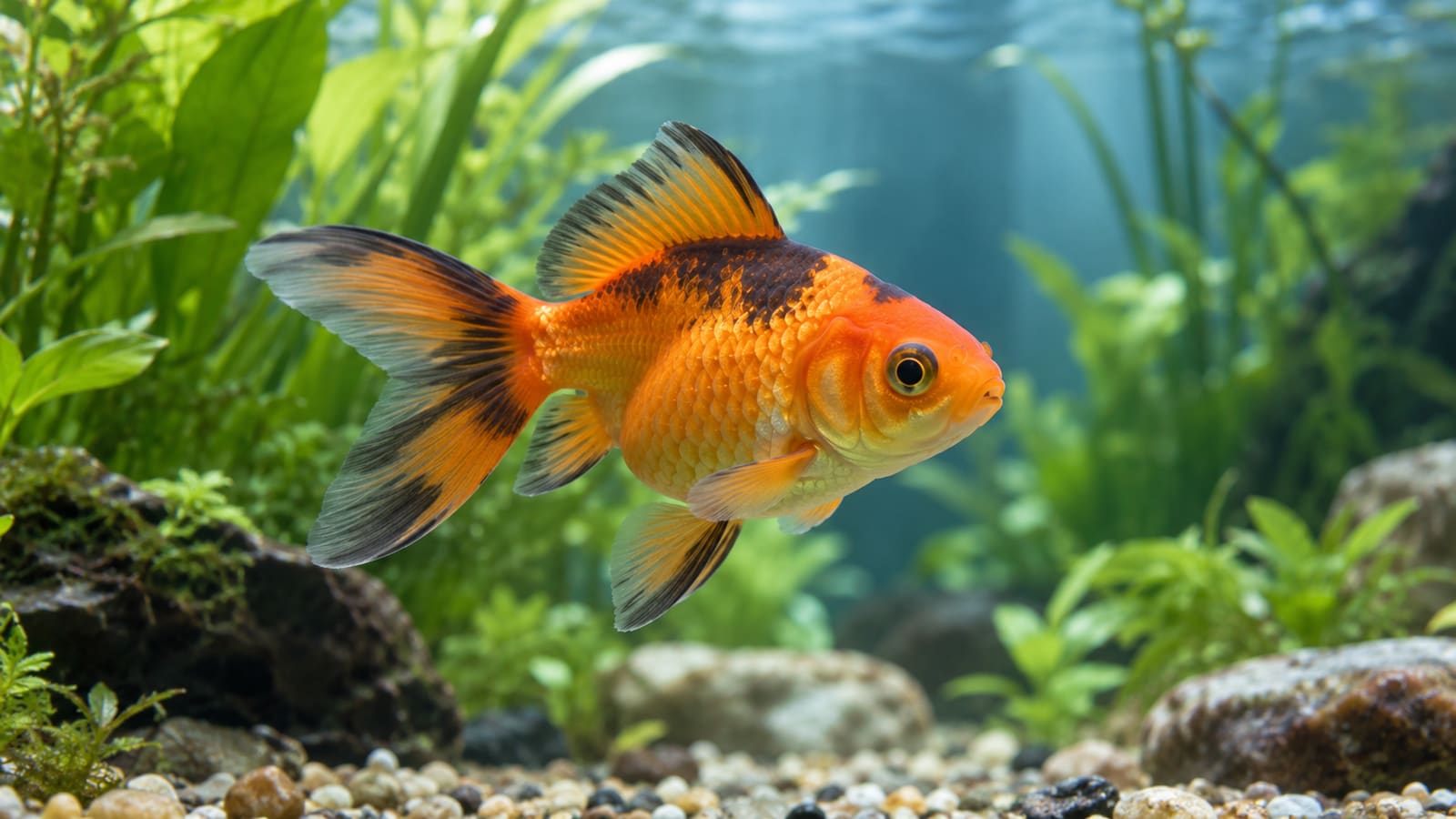
Why Is My Goldfish Turning Black? Check the Ammonia First
Black patches on a goldfish are often healing ammonia burns, which means the water was bad recently. Otherwise it is a natural colour change. How to tell which.
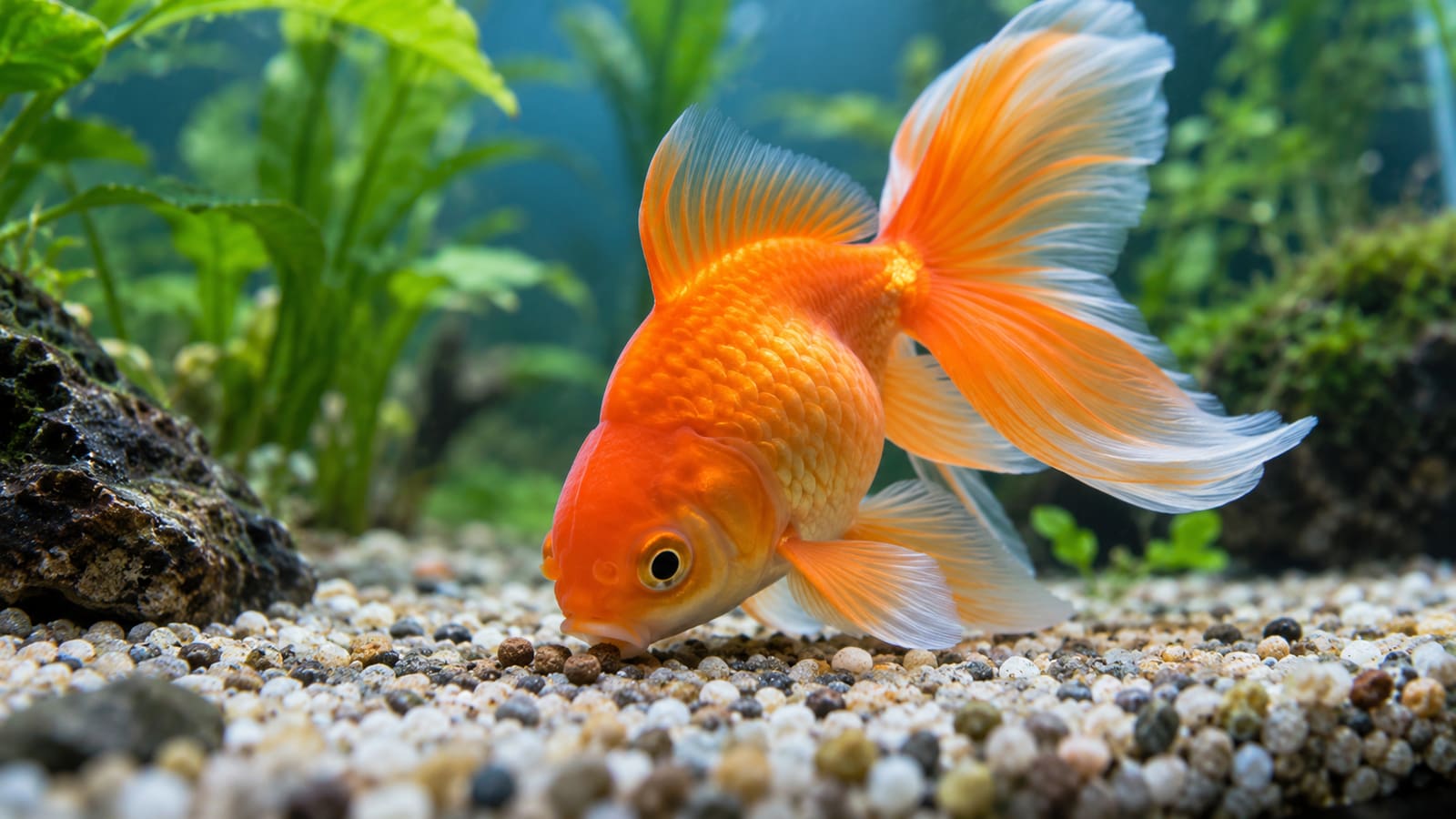
How Often to Feed Goldfish: Schedule by Age and Water Temp
How often to feed goldfish: once or twice a day, what they eat in 1-2 minutes. See how much in grams and a pond feeding chart by water temperature.
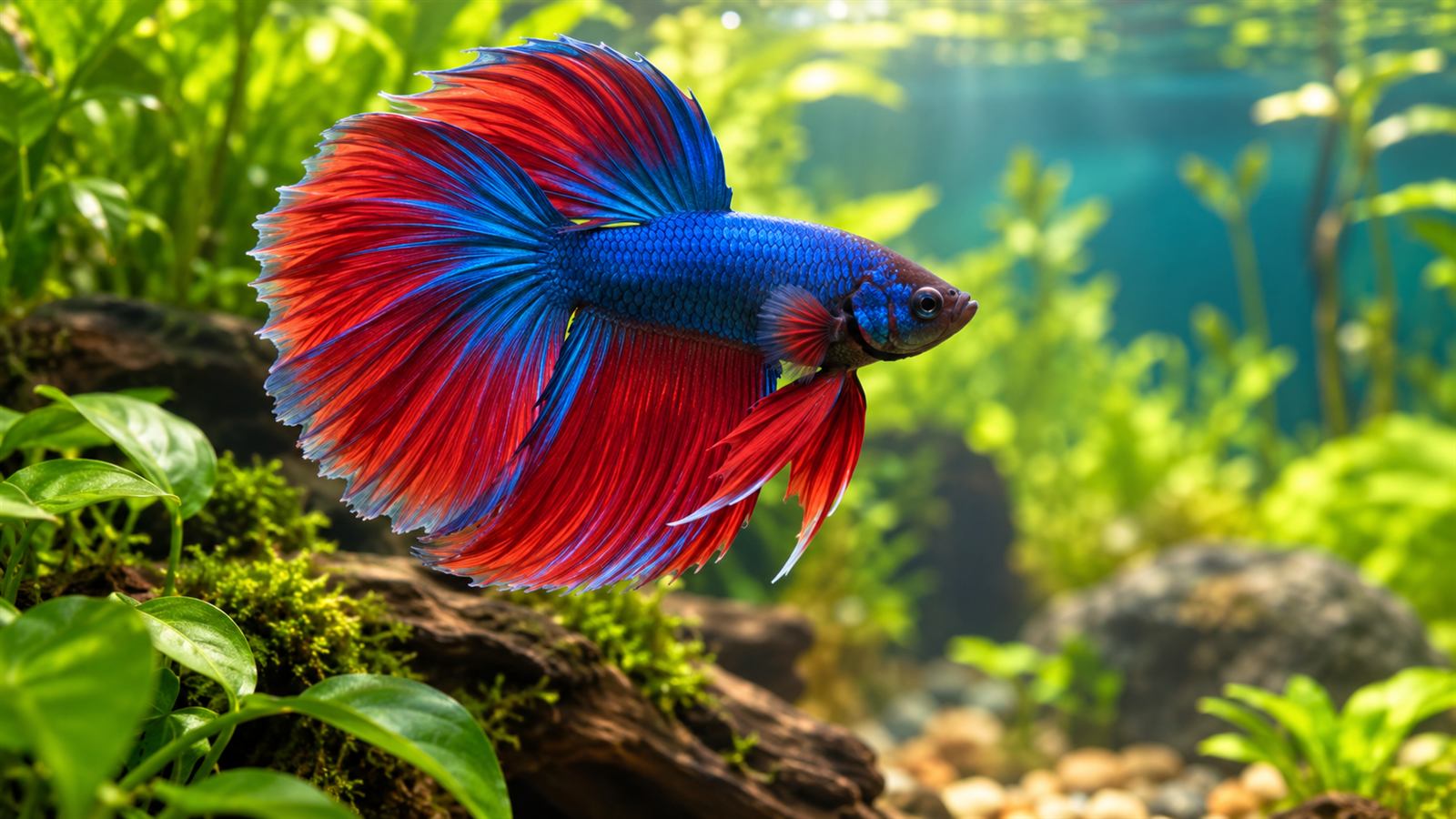
Betta Fin Rot: Signs, Treatment, and When to Medicate
Betta fin rot usually starts with dirty or cold water. How to tell it from tail biting, the clean-water fix, when to medicate, and how fins grow back.