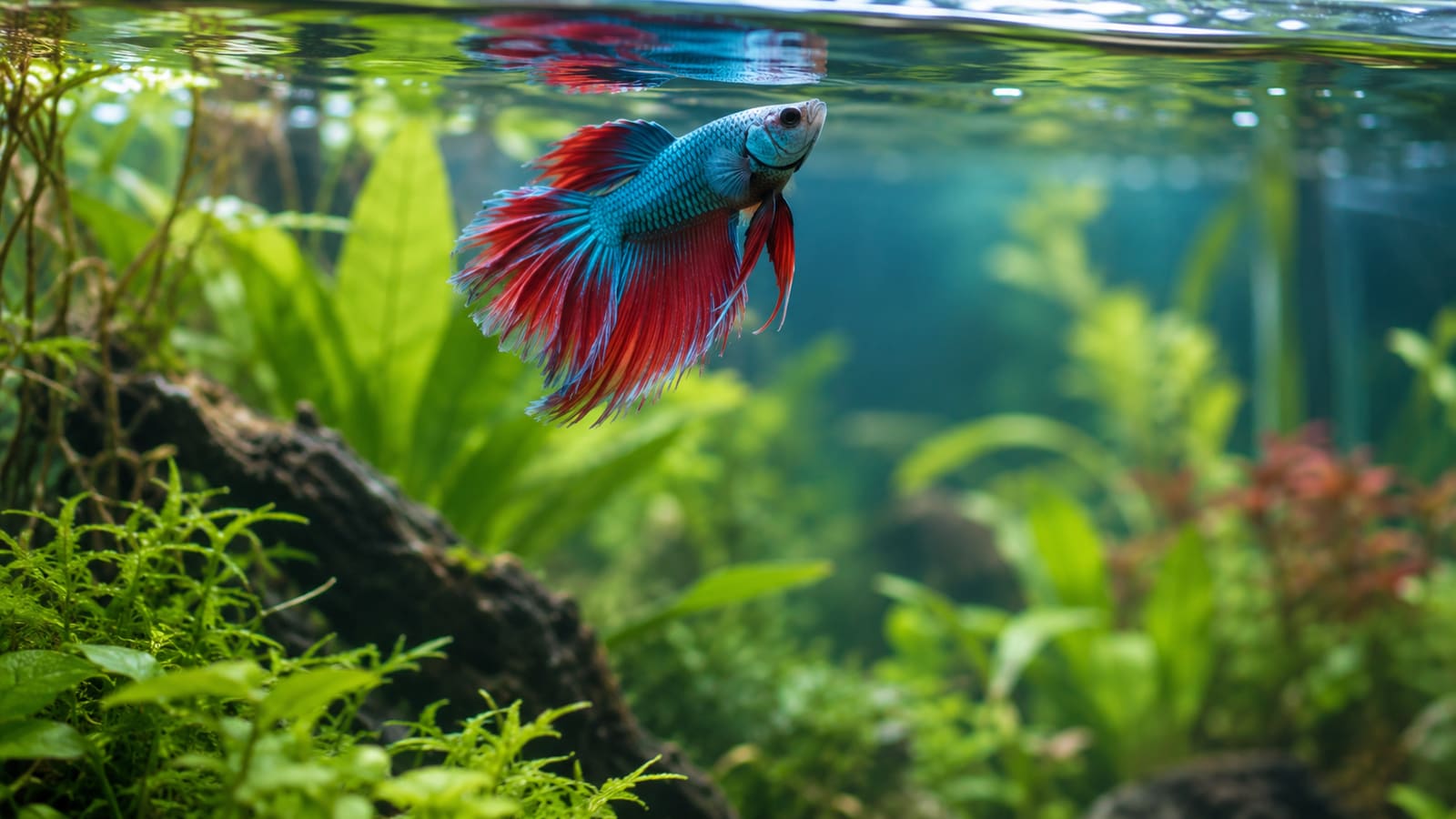
For a weekend or a week away, do a water change before you go, feed normally the day before, and leave nothing in the tank. For longer trips, use an automatic feeder you have tested, or a sitter with pre-measured portions. Skip the dissolving holiday feeder blocks.
Some links go to retailers. As an Amazon Associate, Aquarium for Beginners earns from qualifying purchases, at no extra cost to you.
The numbers
| Time away | Healthy adult betta | What to do before you go |
|---|---|---|
| 1–3 days | No effect at all | Nothing special. Feed normally the day before |
| 4–7 days | Fine. It may be hungry | Water change 1–2 days before, check the heater |
| 8–14 days | Survives, but it is weakened | Use a tested automatic feeder or a sitter |
| Over 2 weeks | Risk of starvation | Someone must feed it, and check the tank |
A healthy adult betta can go up to a week without food with no lasting harm. In the wild, bettas live in shallow water where food comes and goes, and their bodies cope with gaps. They can survive about two weeks without eating, but by then they are thin and weakened, so do not plan for that.
For a weekend or a week away, do a water change a day or two before you go, feed the normal amount the day before, and leave nothing in the tank. The water and the heater matter more than the food while you are gone.
How long is safe
The table above gives the short version. The figures are for a healthy adult betta in a heated, cycled tank.
- Up to three days: no effect at all. Many keepers skip one day of feeding a week on purpose.
- Four to seven days: fine. The betta will be hungry when you get back, and that is all.
- One to two weeks: a healthy adult usually survives it, but it is losing condition. Arrange feeding.
- Over two weeks: someone needs to feed it, and to check the water and heater.
Young bettas under about four months, sick bettas and old bettas have less in reserve. Do not leave them without food for more than two or three days.
Before you go
- Do a 25–30% water change one or two days before you leave, so the water is clean but you have time to notice if something went wrong.
- Check the heater is working and set to 78–80°F. A heater that fails while you are away is a bigger risk than hunger. See what temperature a fish tank should be.
- Feed the normal amount the day before you leave. Do not feed extra. A betta cannot store it, and the leftovers rot.
- Put the light on a timer, or leave it off. A tank with no light for a week is fine. One with the light on all week grows algae.
- Remove any uneaten food from the tank before you go.
Longer trips: feeders and sitters
Automatic feeders work well if you set them up properly. Set the portion to two or three pellets, and run it for a week while you are still home to check it drops the right amount every time. A feeder that jams is harmless. One that empties the whole hopper into the tank is not.
A sitter is the other good option. People who do not keep fish almost always overfeed. Put each day's portion in a pill organiser, one compartment per day, and ask them to give only that.
Skip the vacation feeder blocks. These are blocks of food in a slowly dissolving binder. Bettas often ignore them, and the block dissolves anyway, adding waste to the water. In a small betta tank, that can push ammonia up while you are away.
Keeping goldfish as well? Their numbers differ: see how long goldfish can go without food.
When a betta stops eating on its own
A betta that refuses food is a different situation from one that is not being fed.
In a new home, it is normal. Many bettas ignore food for one to three days after a move. Feed a few pellets, remove what is not eaten after five minutes, and try again the next day. If the move was rushed, read how to acclimate a new fish.
In a betta that has been settled, refusing food is a symptom. Check these first:
- Temperature. Below about 76°F, bettas slow down and lose interest in food.
- Water quality. Test ammonia and nitrite. Anything above zero puts fish off their food.
- Constipation. A swollen belly and floating or sinking point at swim bladder trouble, which a short fast usually fixes.
- Illness. Clamped fins, white spots, frayed fins or a pine-cone body each point at a specific problem.
What you need
| Item | Why |
|---|---|
| Eheim automatic feeder | For trips over a week. Reliable dosing matters more than price, since a feeder that dumps its hopper does more harm than no food |
| 7-day pill organiser | Pre-measured daily portions for a sitter, so they cannot overfeed |
| Outlet timer | Keeps the light on a normal schedule while you are away |
The one thing worth taking from this
A healthy betta handles a week without food better than a week in dirty water or a cold tank. Before a trip, clean the water, check the heater and leave the tank empty of food. Arrange feeding only when you will be away longer than a week.
Questions people ask
Mentioned in this guide
Related guides
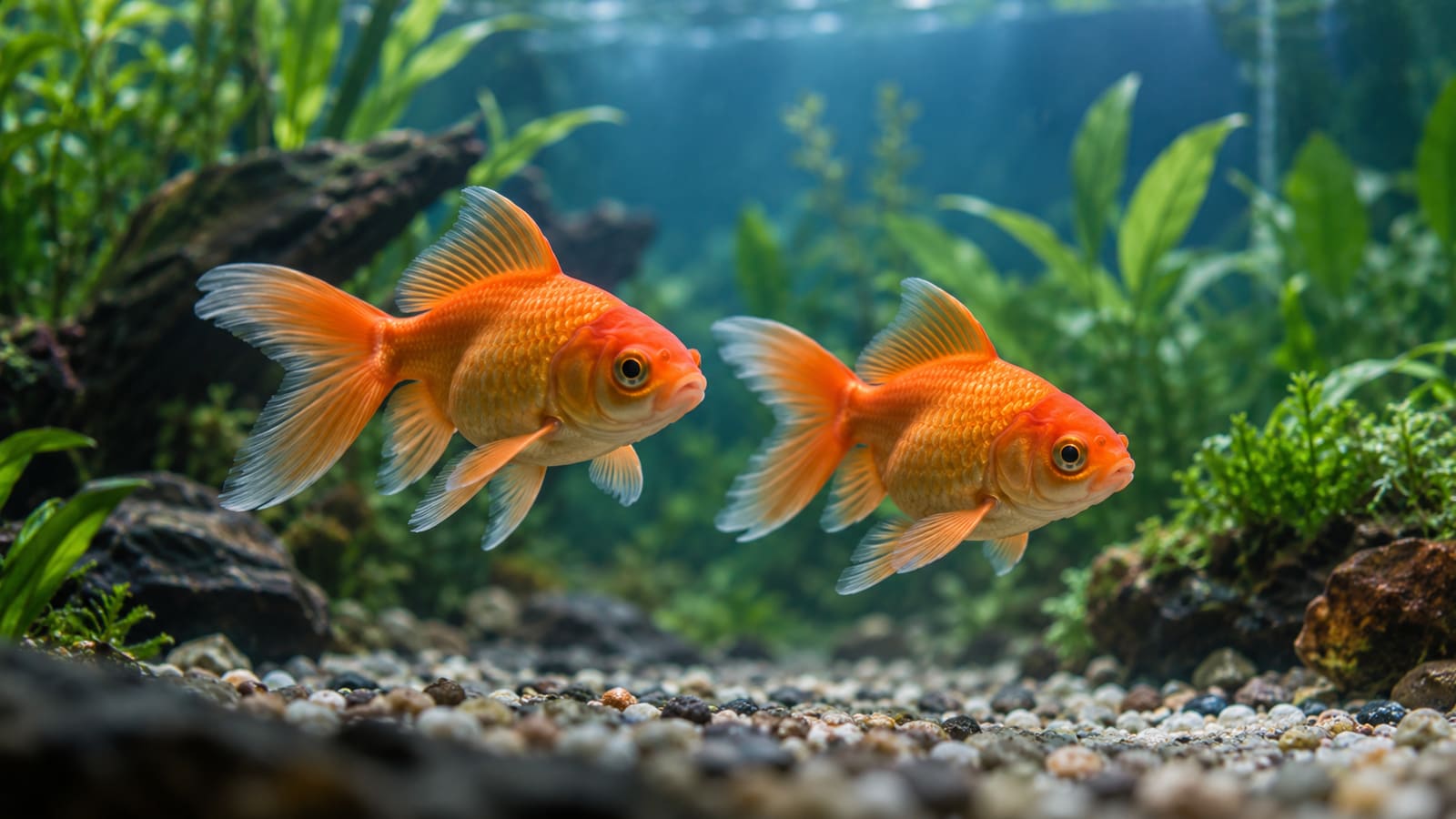
How Long Can Goldfish Go Without Food? Up to Two Weeks
A healthy adult goldfish can go a week without food easily and survives about two. How to prepare for a trip, why feeder blocks backfire, and ponds in winter.
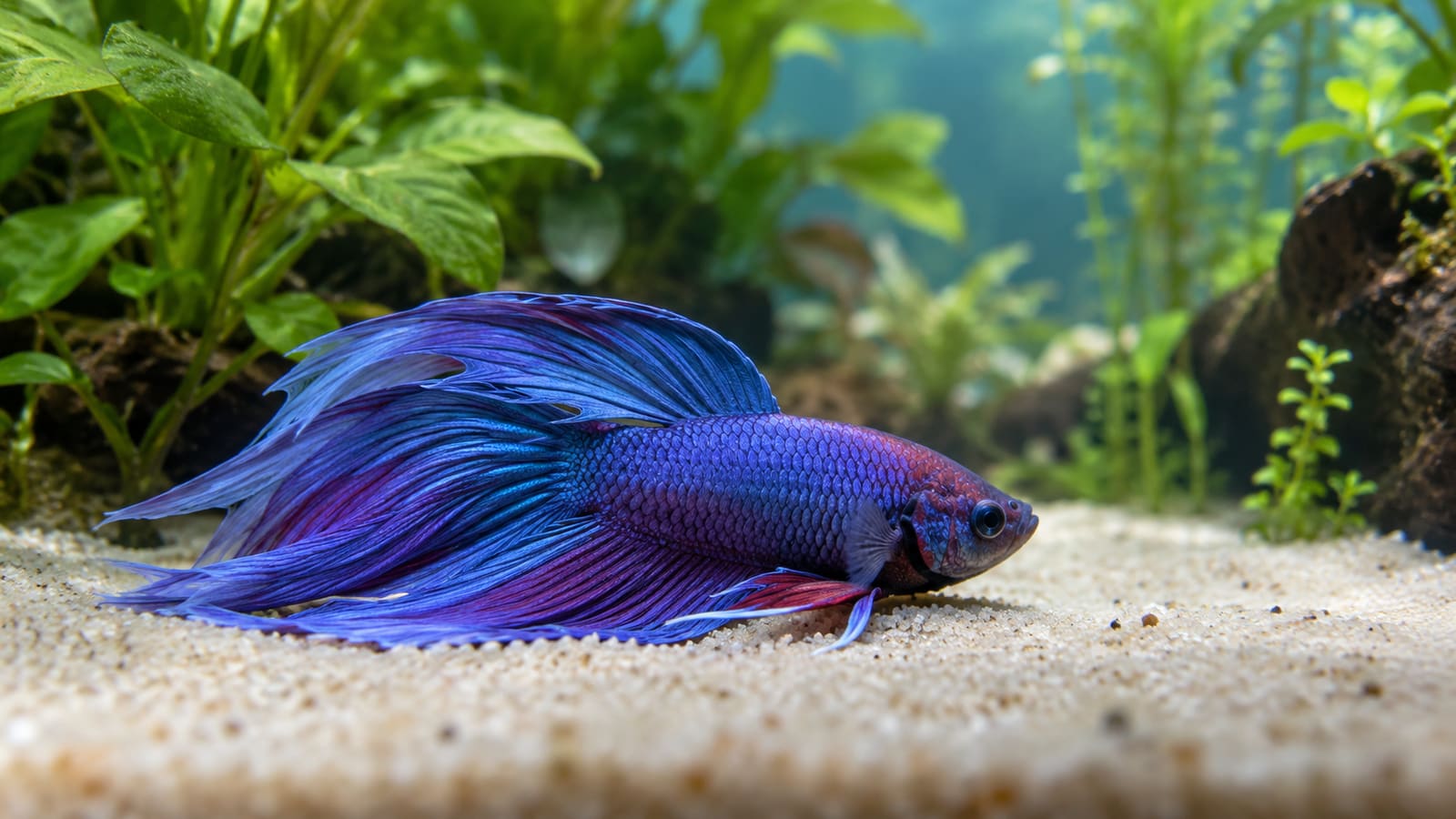
Betta Lying on the Bottom of the Tank: Resting, Cold or Sick?
Bettas rest on the bottom more than most fish, and often it means nothing. How to tell a resting betta from a cold or sick one, and what to check first.
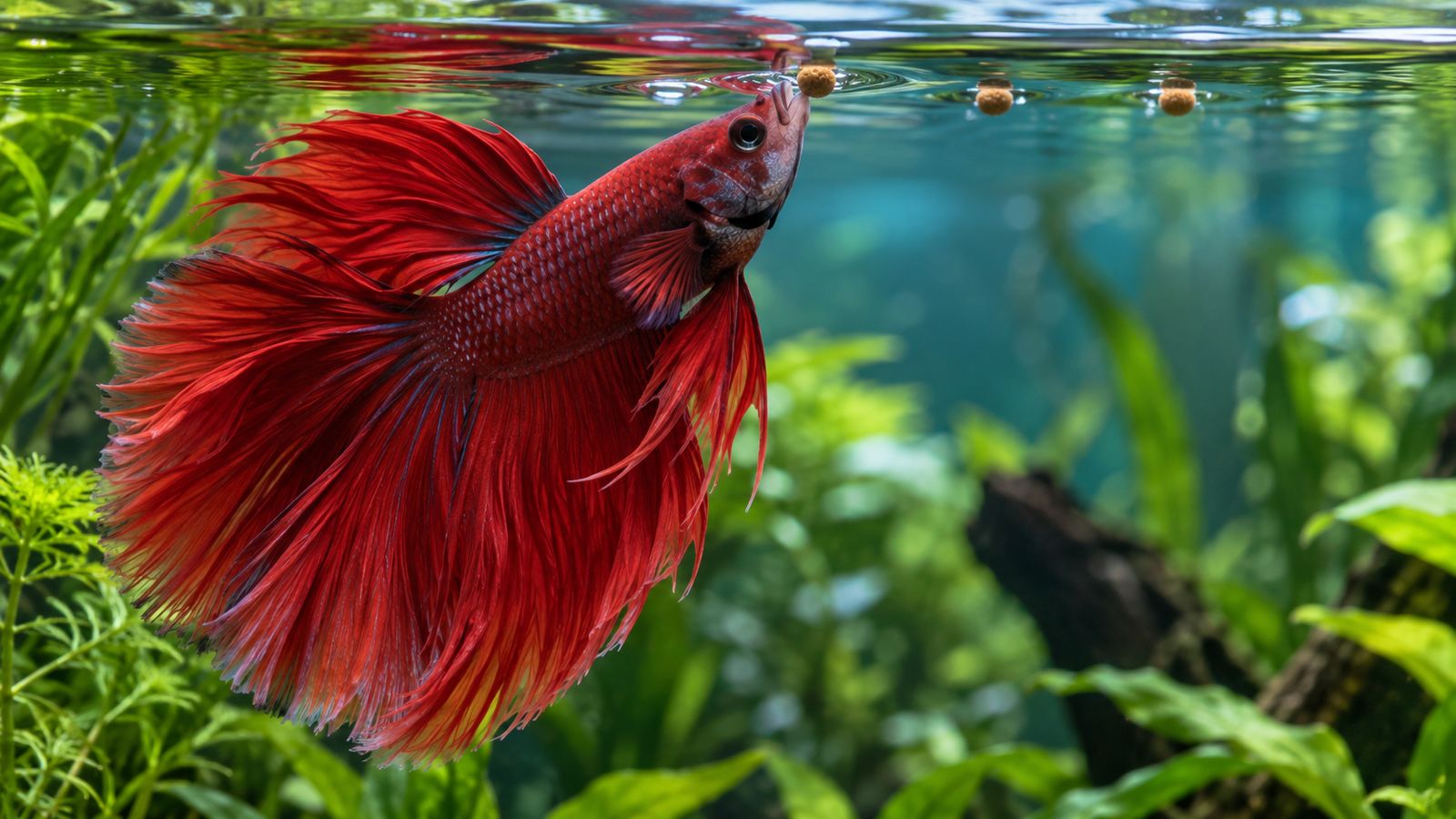
Best Food for Betta Fish: Picks by Size, With Label Data
The best food for betta fish is a betta pellet sized to its mouth. Six picks compared on label protein and pellet size, plus how many to feed a day.